First Bell, Then Spotlight: The Tennessee Educators Living Double Lives as Working Artists
Most people who love music, painting, or theater eventually hear the same well-meaning advice: get a real job. For a lot of Tennesseans, teaching became that job. But here's the thing — for a growing number of educators across the state, the art never stopped. It just moved to evenings, weekends, and summers. And in some cases, it got better.
These are the teachers who spend Monday through Friday managing lesson plans and grading papers, then spend Saturday night behind a piano in a downtown bar, or hanging new work in a gallery, or stepping onto a regional theater stage. They're living two lives at once, and most of them wouldn't trade either one.
The Jazz Guy in Room 214
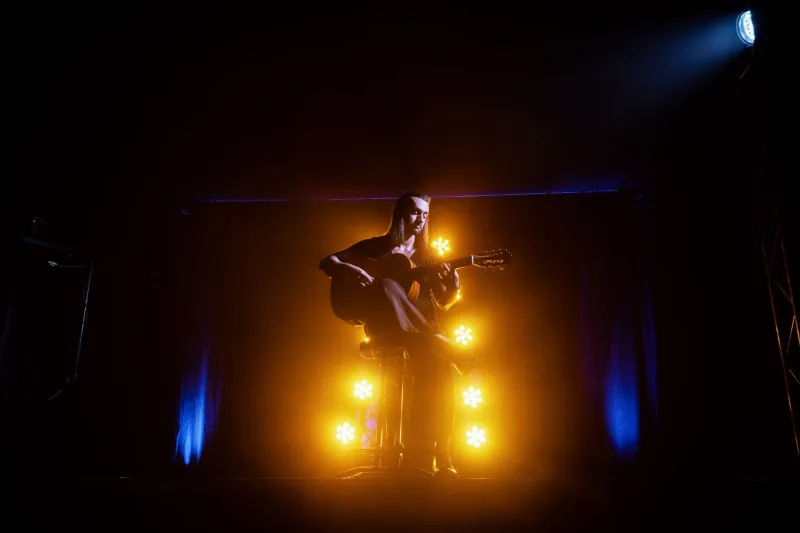
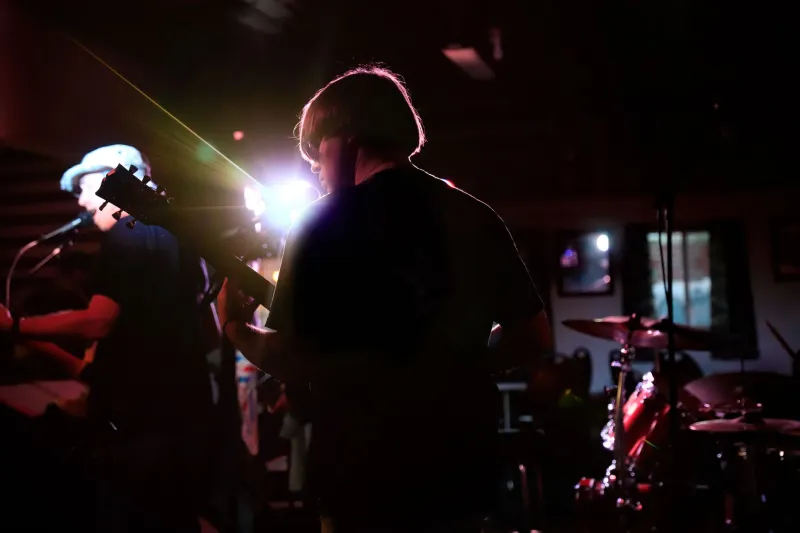
Marcus Eldridge has been teaching band at a middle school in East Nashville for eleven years. His students know him as the guy who makes them play scales until their fingers ache. What they don't always know — at least not right away — is that on weekend nights, he's the one behind the upright bass at a handful of Nashville's better jazz rooms.
"Kids find out eventually," he says, laughing. "A parent will come to a show, or somebody will Google me. And then Monday morning, I'm not just the band teacher anymore. I'm the band teacher who actually plays."
For Marcus, the two roles feed each other in ways that are hard to explain but easy to feel. "When I'm gigging, I'm solving problems in real time — reading the room, adjusting to other musicians, staying present. That's exactly what teaching asks of you. You walk into a classroom and you have to be there, fully, or you lose them."
The financial math, though, is more complicated. Teaching provides the stability — health insurance, a predictable paycheck, summers that allow for longer touring stretches. Gigging brings in supplemental income that varies wildly depending on the season and the venue. "I'm not getting rich off either one," he says plainly. "But together, they make a life that feels like mine."
Paint, Panels, and Parent-Teacher Conferences
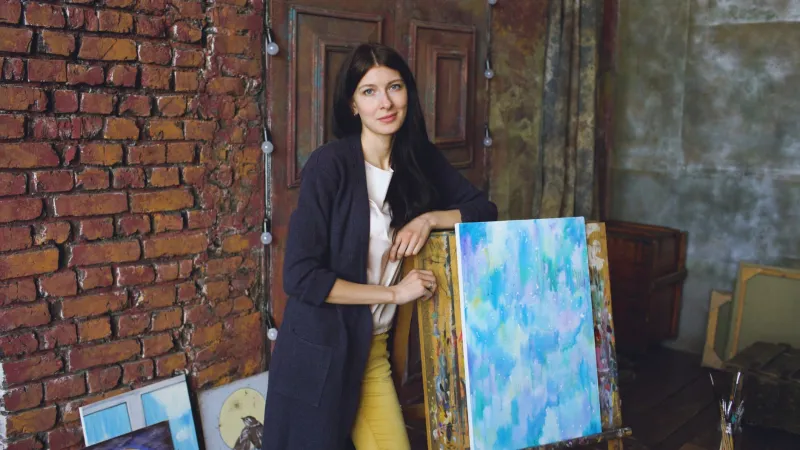
In Chattanooga, high school art teacher Delia Fontaine runs a small gallery out of a converted warehouse space on the south side of town. She opens it on weekends, handles her own curation, and shows her own work alongside a rotating roster of regional artists she believes in.
It started, she says, out of frustration. "I kept making work and having nowhere to put it. And I kept seeing other artists in the same situation. So I just rented the space and figured it out as I went."
The gallery has become something of a community anchor in her neighborhood — a place where people who wouldn't normally step into an art space feel comfortable wandering in. Delia credits her teaching instincts for that. "In a classroom, you're always thinking about how to make something feel accessible without dumbing it down. I apply that same thinking to the gallery. The work doesn't have to be explained, but the space should feel welcoming."
Her students, she says, respond differently to her once they understand what she does outside of school. "There's a credibility shift. They realize I'm not just teaching art theory — I'm actually in it. I'm dealing with rejection, with sales, with the vulnerability of putting work out into the world. That's real to them."
Drama Class, Then the Drama Stage
In Knoxville, drama instructor and regional theater performer Theo Wainwright has been navigating the overlap between education and performance for nearly two decades. He teaches at a public high school during the day and has appeared in productions at Knoxville's Clarence Brown Theatre and several other regional stages.
"The honest answer to 'how do you do both' is: you don't sleep as much as you'd like," he says. "But I've never been able to fully separate the two. I'm a better director when I've recently performed, because I remember what it feels like to be on that side of it. And I'm a better performer because I've spent years watching young people take risks and fail and try again."
Theo is careful to set boundaries — he doesn't take on productions that would compromise his classroom responsibilities. But he's also honest with his students about the tension he navigates. "I tell them: this is what a creative life actually looks like. It's not glamorous all the time. It's a lot of calendar management and saying no to things you want to say yes to."
Why Tennessee Makes This Work
There's something worth noting about the particular landscape these educators are operating in. Tennessee has always had a complicated, layered relationship with the arts — it's a state that takes music seriously as culture and commerce, that has a genuine tradition of craft and visual art, and that has built real infrastructure around performance in ways that a lot of other states haven't.
That infrastructure matters. The presence of venues, galleries, regional theater companies, and arts organizations across Memphis, Nashville, Chattanooga, and Knoxville means that a teacher who wants to stay active as a working artist doesn't have to choose between their career and their craft. The ecosystem supports both — not always easily, but genuinely.
There's also a community dimension that several of these educators mentioned. Tennessee audiences, particularly outside the biggest cities, tend to know their local artists personally. When a teacher is also a performer or a gallery owner, that dual identity becomes part of how the community knows them. It builds a kind of trust that goes beyond the classroom.
The Honest Part
None of the people featured here will tell you it's easy. The financial reality of supplementing a teacher's salary with artistic income requires constant hustle — booking gigs, applying for grants, managing social media, handling sales. The emotional reality of splitting your identity between two demanding vocations is its own kind of labor.
But ask any of them whether they'd simplify their lives by dropping one or the other, and the answer comes quickly.
"Teaching without making things would feel hollow," Delia says. "And making things without teaching — I'd lose the part of this that connects me to other people."
Marcus puts it differently, but lands in the same place. "I need the stage to remember why I started. And I need the classroom to remember who I'm doing it for."
In Tennessee, it turns out, you don't always have to choose.