Playing by Their Own Rules: Tennessee's Independent Venues Are Taking Live Music Back
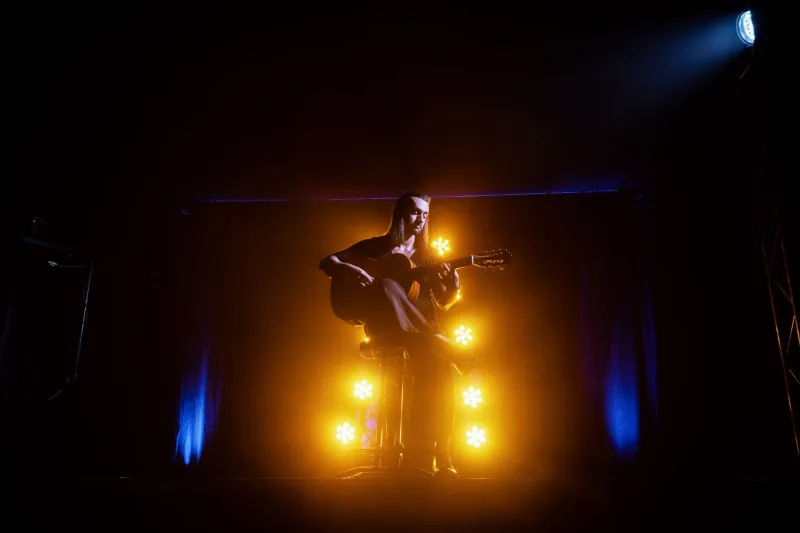
There's a moment every independent venue owner knows well. It's the one where a touring artist's management calls back — not through some regional promoter middleman, not filtered through a corporate booking agency with a cut of everything — but directly. Just a phone call, a handshake deal, and a date on the calendar. For a lot of folks running mid-sized rooms across Tennessee, that moment feels like winning.
And increasingly, it's happening more often.
Something is shifting in the live entertainment business, and Tennessee — a state that has always taken its relationship with live music personally — is sitting right at the center of it. Independent venue operators from Chattanooga to Cookeville are quietly dismantling the old model, the one where big national promoters controlled routing, took enormous fees, and often left local venues with little say over who played their stage or what a ticket cost. In its place, they're building something more personal, more community-rooted, and frankly, more interesting.
The Old Machine and Why It Started to Break
For decades, the touring concert industry ran on a fairly predictable track. A handful of major promoters — Live Nation being the most dominant — controlled access to the biggest artists and, in many cases, the biggest venues. Mid-sized rooms either played along, accepting the terms that came with getting plugged into a national routing circuit, or they got left out entirely.
For venue owners with genuine community ties and curatorial vision, that arrangement chafed. Programming decisions got made in offices far from Tennessee. Ticket prices got set by algorithms and corporate yield strategies, not by what a local crowd could actually afford. And the artists themselves? Often just passing through, with no real connection to the room or the people in it.
The pandemic cracked that model open. When touring stopped cold in 2020, artists and their teams started rethinking everything — how they toured, who they worked with, what venues they trusted. A lot of them came out the other side hungry for something more direct. Independent venue owners, many of whom had spent those quiet years deepening community relationships and rethinking their business models, were ready to meet them there.
Three Venues, Three Different Bets
The Burl House, Murfreesboro
When Dani Okafor opened The Burl House in a converted textile warehouse on the edge of downtown Murfreesboro four years ago, she made a deliberate choice: no exclusive agreements with regional promoters, period. Every show booked in-house, every artist relationship built from scratch.
"People told me I was crazy," she says, laughing. "That I'd never get the acts I wanted without going through the usual channels. And yeah, the first year was rough. But by year two, artists were calling us because they'd heard the room was good and the crowd was real."
The Burl House now books 80 to 100 shows a year, mixing emerging Americana artists with experimental folk, soul, and the occasional spoken word night. Ticket prices cap at $25. Okafor says that's not charity — it's strategy. "If your community can afford to come, they come back. And they bring people."
Ironworks Hall, Chattanooga
Down in Chattanooga, Marcus Tillman has been running Ironworks Hall for six years with a philosophy that sounds almost radical by industry standards: artists keep the majority of the door. Tillman makes his money on bar revenue and a modest booking fee, not by squeezing talent.
"The old model treated artists like a product the venue was licensing for the night," he says. "We treat them like partners. Word gets around."
It has. Ironworks has become a go-to stop for mid-career artists who are deliberately routing away from corporate venues — musicians who want to play rooms where someone actually gives a damn about the show, not just the settlement check. Tillman has turned down offers from regional promoter networks twice. He doesn't regret it.
The Hollow, Cookeville
Out in Cookeville, The Hollow is doing something a little different. Co-owners Priya Nair and Sam Belcher built their 300-capacity room around a membership model — local supporters pay a monthly fee that gives them early ticket access, discounted entry, and a vote in a quarterly community programming poll.
"We wanted the audience to feel like they owned a piece of this place," Nair explains. "Because in a real way, they do."
The membership base now hovers around 400 people, providing a reliable revenue floor that lets The Hollow take programming risks a purely transactional venue couldn't afford. Last spring, they booked a three-night residency for a Nashville-based experimental jazz trio that had never played a room that size. It sold out all three nights.
What This Means for Artists
Talk to musicians who've played these rooms and you hear the same thing: they feel the difference.
Singer-songwriter Laurel Hennessey, who's been touring the Southeast for five years, says the shift toward independent venues has changed how she thinks about routing. "There's a certain kind of corporate venue where you show up, play, and leave, and nobody remembers you were there. These independent places — they tell their audience about you ahead of time, they introduce you properly, they care if the show goes well. That translates into real fans."
For emerging artists especially, getting into the right independent room can matter more than landing a slot on a major promoter's package tour. The audiences tend to be more attentive, more adventurous, and — critically — more likely to follow an artist's career long-term.
The Business Reality
None of this is easy. Running an independent venue without the safety net of a national promoter's infrastructure means absorbing real risk. A bad booking streak, a rough winter, an unexpected repair bill — any of it can tip a room from viable to vulnerable fast.
But the owners building this new model are clear-eyed about the trade-offs. They're not under any illusion that independence is simple. What they're betting on is that community loyalty, genuine curation, and artist trust create a more durable foundation than corporate routing ever did.
There's also a growing network effect. Independent venue owners across Tennessee have started sharing information — booking contacts, artist recommendations, cautionary tales about promoters to avoid. It's informal, but it's real, and it's making the whole ecosystem stronger.
Tennessee's Advantage
There's a reason this movement is finding particularly fertile ground here. Tennessee has always had an outsized relationship with live music — not just Nashville, but the whole state, from the bluegrass hollows of East Tennessee to the juke joints of the Delta-influenced west. Music isn't an industry here so much as a cultural reflex.
That means audiences in Tennessee tend to show up differently. They listen harder, they talk to the artist after the show, they come back. For independent venues trying to build something lasting on community loyalty rather than corporate infrastructure, that's an enormous advantage.
The big promoters aren't going anywhere. But in Tennessee, at least, they're no longer the only game in town. And for the venue owners, artists, and audiences building something different in these rooms — that's exactly the point.