Beyond Biscuits and Gravy: The Chefs Putting Unexpected Tennessee Towns on the Culinary Map
For a long time, the food world's attention in Tennessee started and ended in Nashville. Hot chicken got the think pieces. The honky-tonk meat-and-threes got the Instagram treatment. And while none of that love was undeserved, it left a lot of extraordinary cooking — and extraordinary cooks — flying under the radar.
That's changing fast.
Across the state, in cities and small towns that rarely make national food publications, a wave of chefs is earning serious recognition by doing something that sounds simple but is actually pretty hard: cooking where they're from, with what's around them, and making it feel completely new.
The Appalachian Kitchen Gets a Second Look
Spend any time talking to chefs in East Tennessee and you'll hear the same word come up over and over: heritage. Not as a marketing term, but as a genuine culinary philosophy. The mountains have a food tradition that stretches back centuries — ramps and pawpaws and leather britches beans and sorghum — and a growing number of chefs are treating that tradition not as a limitation but as a launching pad.
In Jonesborough, the state's oldest town, chef Lena Faris has been quietly building one of the most interesting menus in Tennessee at her 40-seat restaurant, Root & Ridge. Her approach reads like a love letter to the region: she sources almost entirely from farms within 60 miles, works directly with a seed-saving collective to revive heirloom Appalachian vegetables, and draws on her grandmother's handwritten recipe cards as often as she draws on her culinary school training.
The result is food that feels simultaneously ancient and urgent. A dish of slow-cooked October beans with ramp butter and cornbread crackling shouldn't feel cutting-edge, but somehow it does. Her first James Beard nomination came as a surprise to her — and as zero surprise to anyone who's eaten there.
"I'm not trying to reinvent anything," Faris says, refilling a guest's water glass herself because the dining room is small enough that she can. "I'm just trying to do justice to what was already here."
Mid-State Kitchens Making Noise
The culinary renaissance isn't confined to the mountains. In Cookeville — a college town in the Upper Cumberland region that most food travelers have historically driven past on the way somewhere else — chef Daniel Okafor has spent five years turning Provision Table into a destination worth the detour.
Okafor grew up in Memphis, trained in Chicago, and came back to Tennessee with a perspective that's hard to categorize. His cooking pulls from West African flavor profiles, classic Southern technique, and whatever his network of local farmers drops off that week. The menu changes constantly. The smoked catfish with fermented pepper sauce and heirloom grits has stayed on because he's tried to take it off twice and the regulars revolted.
His James Beard nomination in the Best Chef: Southeast category put Cookeville on a list it had never appeared on before. Local reaction was a mix of pride and mild disbelief. "I had people come in who had driven past this place for years and never stopped," Okafor says with a laugh. "A little national attention goes a long way."
What Okafor is doing matters beyond the food itself. He sources from a dozen small farms in the surrounding counties, employs a kitchen staff that's largely local, and has quietly become an anchor for a growing creative economy in a town that's used to being overlooked.
The Ingredient Story Is the Tennessee Story
One thing that connects virtually every chef in this new wave is an almost obsessive focus on sourcing. This isn't the farm-to-table trend of the 2010s — the buzzword-heavy version that sometimes meant a small herb garden out back and a lot of vague menu language. This is something more deliberate.
Tennessee's agricultural diversity is genuinely remarkable. The state produces everything from country ham and sorghum to some of the best freshwater fish in the country. The soil in Middle Tennessee grows vegetables that chefs in coastal cities would pay a premium for. And a growing network of small-scale producers — many of them younger farmers specifically growing for the restaurant market — is making it easier than ever to cook hyperlocally.
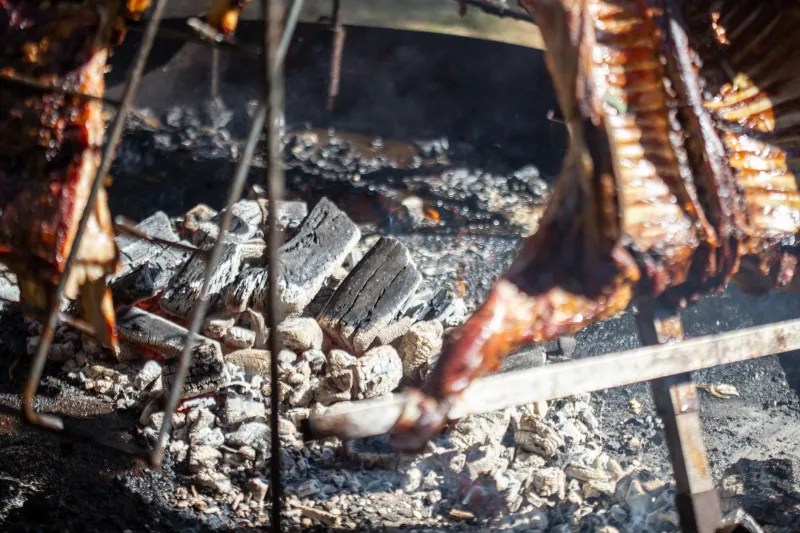
Chef Miriam Castillo, who runs a 30-seat spot in Columbia called Tierra y Mesa, has built her entire concept around that network. Her menu is rooted in her Mexican heritage and her Tennessee upbringing in equal measure, and she treats local ingredients as the common language between the two. Slow-roasted goat from a farm twenty minutes away. Tamales wrapped in Tennessee sorghum-glazed pork. Pickled green tomatoes alongside house-made crema.
"People ask me if my food is Southern or Mexican and I tell them it's neither," she says. "It's from here. Right here. This specific place."
Her James Beard recognition came in the form of a semifinalist nod for Best Chef: Southeast — the first for any restaurant in Maury County. The local newspaper ran it on the front page.
Why Small Towns? Why Now?
It's a fair question. Nashville has resources, foot traffic, and a food media ecosystem that can amplify a restaurant overnight. Why are some of the most talented chefs in the state choosing to set up shop in Jonesborough or Cookeville or Columbia instead?
The answers are as varied as the chefs themselves. Lower overhead. Closer ties to the farming community. A customer base that's genuinely hungry for something new. A desire to be a big part of something small rather than a small part of something big.
And honestly? A little bit of stubbornness. The kind that says this place deserves this and means it.
"Nashville is great," says Daniel Okafor. "But there are a hundred great restaurants in Nashville. There's only one Provision Table in Cookeville. That matters to me."
Tennessee's Table Is Bigger Than You Think
The story of Southern food in America is still being written, and Tennessee chefs are holding the pen more confidently than ever. The Appalachian pantry, the Middle Tennessee harvest, the layered cultural histories of communities across the state — all of it is showing up on plates in ways that are earning national attention and, more importantly, building something lasting at home.
If you've been sleeping on Tennessee's culinary scene outside of Nashville, now is a genuinely great time to take a road trip and reconsider. Bring your appetite. These chefs are ready for you.