Smoke, Rub, and Repeat: Chasing Tennessee's Most Legendary BBQ Joints One County at a Time
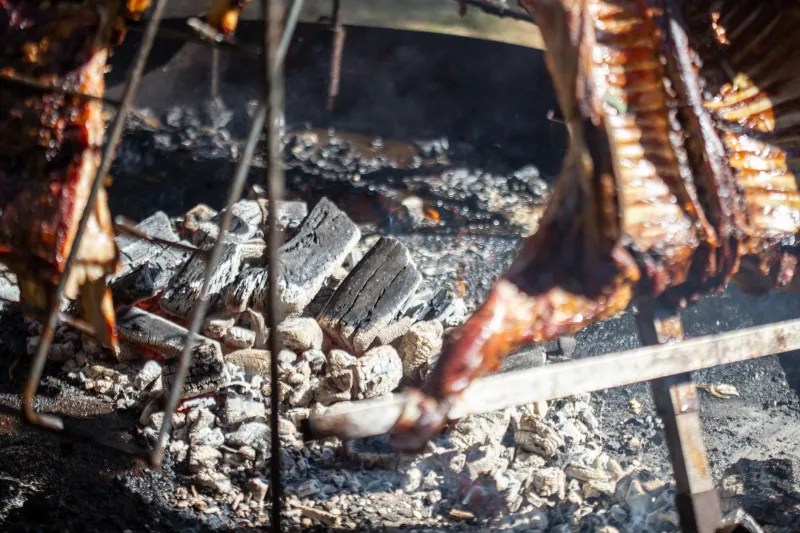
If you've ever driven through Tennessee with your windows down and caught that unmistakable ribbon of hickory smoke curling off a roadside pit, you already know — this state takes its barbecue seriously. Like, seriously seriously. It's not just a cooking method here. It's a conversation starter, a family heirloom, and in some cases, a full-blown religion.
We at MyTN50 figured it was long past time to map out what makes Tennessee's BBQ culture so distinct from anything else you'll find in the South — and to do that, we hit the road. Cooler in the back seat, notebook on the dash, and a very optimistic supply of antacids.
Memphis: Where the Dry Rub Reigns Supreme
Let's start in the west, because Memphis basically invented the conversation about American barbecue styles. The city's signature move is the dry rub — a blend of paprika, garlic, onion powder, brown sugar, cayenne, and whatever secret the pit master refuses to put in writing — pressed into pork ribs before they slow-cook over charcoal and hardwood for hours on end.
At legendary spots like Rendezvous, tucked into an alley off Monroe Avenue since 1948, the ribs arrive at your table without a drop of sauce on them. That's intentional. The crust that forms on the outside of those ribs is the whole point — chewy, smoky, and packed with flavor that doesn't need anything extra.
"Sauce is a crutch," one Memphis pit master told us, half-joking. "If you're doing it right, the meat speaks for itself."
That said, Memphis isn't anti-sauce. The city also claims a wet rib tradition, where ribs are mopped with a tangy tomato-based sauce during cooking. The debate between wet and dry camps is very much alive and will absolutely start an argument at any table in Shelby County.
Middle Tennessee: Nashville's Hot and Spicy Twist
Head east on I-40 and the BBQ conversation shifts. Nashville brought its own heat to the table — literally — with the rise of Nashville Hot Chicken, which, while technically its own category, has started bleeding into the city's BBQ scene in interesting ways. Younger pit masters around Davidson County have been experimenting with hot-chicken-style cayenne pastes applied to smoked meats, creating a genre-bending hybrid that old-school purists either love or refuse to acknowledge.
But beyond the trend-driven stuff, Middle Tennessee has a quieter BBQ tradition rooted in whole-hog cooking — a style that's less flashy than Memphis ribs but arguably more demanding in terms of skill. Cooking a whole hog low and slow over an open pit takes anywhere from 12 to 18 hours and requires near-constant attention. You don't just set a timer and walk away.
We stopped in at a small operation outside of Murfreesboro where the owner, a third-generation pit master, was still using the same cinder-block pit his grandfather built in the 1960s. "My granddad didn't have a thermometer," he said, poking at the coals with a long metal rod. "He had his hand and his instincts. I've got those same things, plus 30 years of making mistakes."
East Tennessee: Vinegar, Wood, and Mountain Tradition
Once you get into the hills of East Tennessee — around Knoxville, Gatlinburg, and the smaller mountain communities tucked into the Smokies — the BBQ culture takes on a distinctly Appalachian character. Vinegar-based sauces show up more frequently here, a nod to the region's proximity to the Carolinas and its own long tradition of hog farming.
Hickory is the wood of choice throughout most of the state, but in East Tennessee you'll also encounter apple wood and cherry, which produce a slightly sweeter, milder smoke that works beautifully with pork shoulder.
A few spots worth hunting down: a no-sign shack outside of Maryville that's only open Thursday through Saturday, where the pulled pork sandwich comes on a plain white bun and needs absolutely nothing else on it. And a family-run smokehouse in Sevier County that's been feeding locals — not tourists — since before the national park was even a thing.
The Hidden Gems: Off the Beaten Interstate
Here's the truth about Tennessee BBQ that no listicle will tell you: the best stuff isn't always in the cities. Some of the most memorable pits in this state are in Jackson, in Bolivar, in Savannah along the Tennessee River, and in small towns where the only sign is a hand-painted plywood board and a parking lot full of pickup trucks.
If you want to find them, you have to ask locals. Gas station clerks, hardware store employees, the person sitting next to you at a diner — they will point you somewhere real. That's half the joy of chasing Tennessee BBQ. The food is the destination, but the journey is all people.
A Few Rules Before You Hit the Road
Before you start planning your BBQ crawl across the Volunteer State, a couple of practical notes:
- Arrive early. The best joints sell out. This is not a metaphor.
- Cash is often king. Especially at the smaller spots.
- Don't rush the pit master. If they say the brisket isn't ready, it isn't ready. Patience is part of the experience.
- Ask about the wood. Every serious pit master will light up talking about it, and you'll learn more in five minutes than you would from any cookbook.
Tennessee's BBQ culture isn't a trend or a tourism gimmick. It's a thread that runs through communities across all 95 counties, connecting generations of families who have been tending fires and feeding neighbors for longer than most of us have been alive. Getting out there and tasting it — really tasting it, with your elbows on a picnic table and sauce on your shirt — is one of the best things this state has to offer.
So fill up the tank, loosen your belt, and let the smoke lead the way.