Gates Open, Boots Welcome: How Tennessee Farm Families Are Turning Acres Into Experiences
There's a particular kind of magic that happens when a city family pulls down a gravel driveway, parks next to a fence post, and steps out into a working Tennessee farm for the first time. The kids bolt toward the goats. A grandparent tears up a little. Someone pulls out their phone, not to scroll, but to take a picture of something real.
That moment — unscripted, unhurried, unmistakably Tennessee — is exactly what a growing number of farm families across the state are banking on. Literally.
Agritourism has been quietly building momentum in Tennessee for the better part of a decade, but lately it feels like something shifted. More families are opening their gates, posting on Instagram, and filling up weekends with visitors who are hungry — sometimes literally — for an experience that feels grounded in something older and more honest than their daily lives.
From Survival Strategy to Community Identity
For a lot of farm families, the decision to welcome visitors wasn't born out of ambition. It was born out of necessity.
Farm income is notoriously unpredictable. Commodity prices swing. Droughts happen. Equipment breaks down at the worst possible time. Diversifying revenue streams isn't a luxury for many Tennessee landowners — it's the difference between keeping the farm in the family and selling it off in parcels.
What's interesting is how that practical decision has evolved into something that feels genuinely cultural. Farms that started by setting up a roadside stand or hosting a single fall pumpkin patch have, over time, built full-blown agritourism operations with seasonal events, educational programming, and overnight accommodations.
In Middle Tennessee especially, you'll find operations that have gone from selling tomatoes at the end of the driveway to hosting farm-to-table dinners under string lights, with chefs sourcing ingredients from the same fields guests can walk through before they sit down to eat. That kind of vertical storytelling — from soil to plate, in a single evening — is something no restaurant can fully replicate.
The Glamping Glow-Up
If one trend has accelerated the agritourism boom in Tennessee more than any other, it's glamping. The combination of outdoor living and creature comforts has found a perfect home on the state's farms, where a converted barn, a canvas bell tent, or a renovated Airstream can command premium nightly rates while barely disturbing the working rhythms of the land.
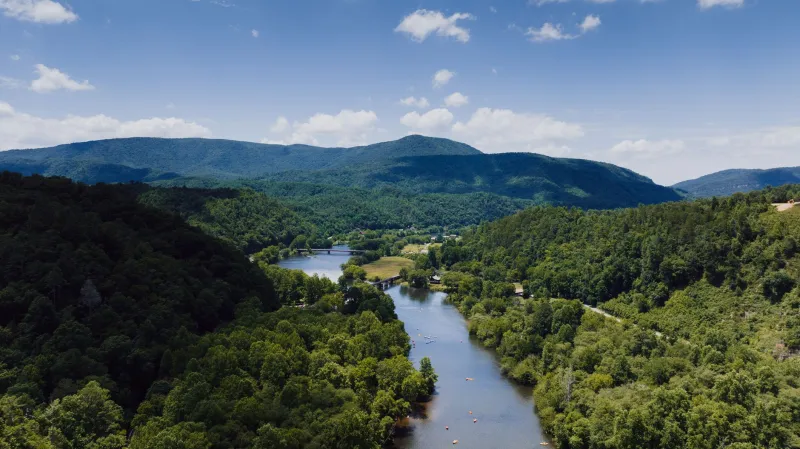
East Tennessee has been particularly fertile ground for this. The visual backdrop alone — layered ridgelines, morning mist hanging over creek bottoms, the kind of silence that feels expensive — does a lot of the marketing work on its own. Families who might have dismissed camping as too rugged are suddenly booking two-night stays at farm stays where they can watch a sunrise over a soybean field from a porch swing with a cup of coffee in hand.
For the farm families hosting these guests, the learning curve has been real. Hospitality is a different skill set than agriculture. But many have leaned into it, hiring locally and treating it as an extension of the same community-first mentality that defines rural Tennessee life at its best.
Teaching the Next Generation Why It Matters
One of the most meaningful byproducts of the agritourism movement — and one that doesn't always make it into the business case — is what it's doing for the next generation of farm families.
Young Tennesseans who grew up dreading the idea of taking over the family farm are finding a version of that future that actually excites them. Running a u-pick orchard with a strong social media presence, developing a workshop series on cheesemaking or beekeeping, building a brand around a farm's specific story and identity — these are entrepreneurial challenges that feel relevant to a generation that's grown up online.
Across the state, you'll find twenty- and thirty-somethings who came back home not because they had to, but because they saw a real opportunity to build something. They're combining their grandparents' knowledge of the land with their own fluency in branding, digital marketing, and customer experience. The results, in a lot of cases, have been remarkable.
Tennessee State University's agricultural extension program and organizations like Tennessee Farm Bureau have been working to support this transition, offering resources and networking for farms looking to add tourism components. The infrastructure is still catching up to the demand, but the momentum is real.
What Visitors Are Actually Looking For
Ask any agritourism operator in Tennessee what surprises them most about their guests, and you'll hear some version of the same answer: people aren't just looking for something to do. They're looking for something to feel.
There's a genuine hunger — particularly among urban and suburban visitors from Nashville, Knoxville, Memphis, and beyond — for experiences that feel unmediated. Not curated in the theme-park sense, but real in the way that a muddy boot or a sun-warmed tomato is real. Agritourism, at its best, delivers exactly that.
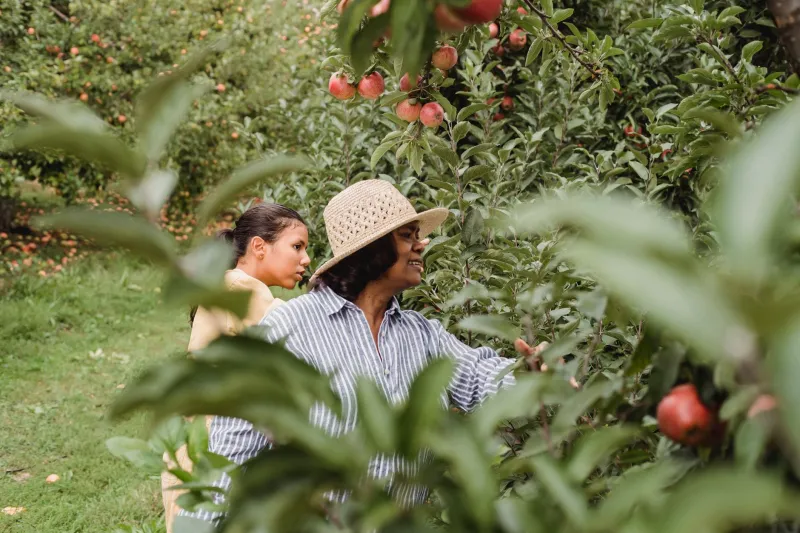
U-pick operations have exploded in popularity partly because the act of harvesting your own food carries a satisfaction that's almost impossible to manufacture. Strawberry farms in Robertson County, apple orchards in Polk County, lavender fields in the rolling hills outside of Lewisburg — these places have developed loyal followings of visitors who return season after season, sometimes driving hours each way.
Farm-to-table dinners have a similar pull. When a chef walks guests through the field where the lettuce was grown an hour before it hit the plate, the meal becomes something more than dinner. It becomes a story.
The Bigger Picture for Rural Tennessee
Zoom out a little and the implications of this movement become even more interesting. Agritourism isn't just good for individual farm families — it's proving to be a genuine economic engine for rural communities that have struggled to retain population and investment.
When a farm operation brings in out-of-town visitors, those visitors don't just spend money at the farm. They stop for gas, eat at the local diner, browse the antique shop on the square. Rural economies that have watched retail and industry migrate toward urban centers are finding that experiences — rooted in the land, in history, in the particular character of a Tennessee county — are something that can't be outsourced or relocated.
That's not a small thing. It's actually kind of profound.
Tennessee has always had an identity tied to its land. The farms, the hollers, the river bottoms, the ridgelines — these aren't just geography. They're the backdrop to the stories that make this state what it is. The agritourism movement, in its best expressions, is a way of honoring that identity while building something sustainable enough to carry it forward.
So next time you see a hand-painted sign pointing down a gravel road toward a farm stand or a pumpkin patch or a glamping setup tucked into a hillside — pull over. The porch talk is free, and the payoff is something you can't get anywhere else.