From Grain to Glass: The Small-Batch Distillers Putting Tennessee on the Craft Spirits Map
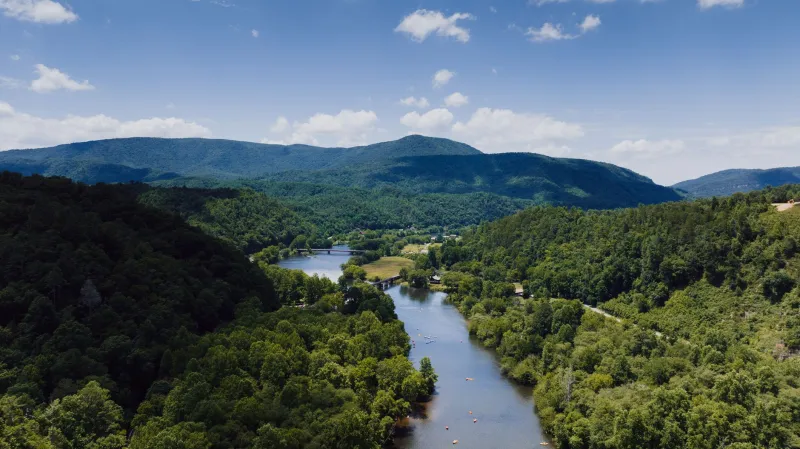
Most people hear "Tennessee whiskey" and picture the same two names. And look, those names earned their place on the shelf. But if you think the state's spirit story begins and ends in Lynchburg or Tullahoma, you're missing something genuinely exciting happening in distilleries tucked into river valleys, small-town storefronts, and converted farm buildings all across the Volunteer State.
Tennessee's craft distillery scene has quietly exploded over the past decade. The Tennessee Distillers Guild now counts dozens of licensed producers, and that number keeps climbing. These aren't hobbyists playing dress-up in lab coats. These are serious operators — farmers, chemists, chefs, and lifelong whiskey nerds — who are rethinking what Tennessee spirits can be from the ground up.
Not Just Whiskey Anymore
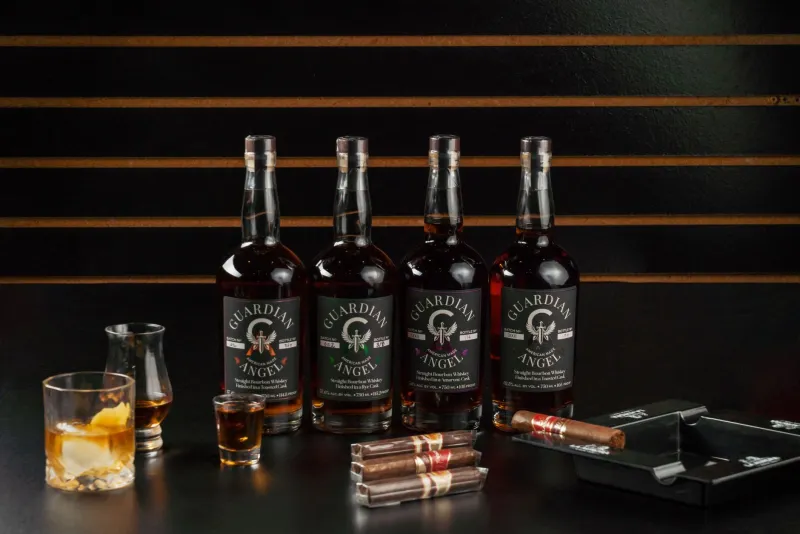
Walk into a craft tasting room in, say, Leiper's Fork or Pikeville, and you might be surprised by what's on the flight menu. Sure, there's whiskey — Tennessee straight bourbon, rye expressions, single malts — but there's also brandy made from local apples, rum distilled from East Tennessee sorghum, and gin botanicals sourced from the same hills where the distiller grew up hunting deer.
That local-first philosophy is one of the defining features of this new wave. Distillers like those at companies scattered from Memphis to Morristown are building relationships with Tennessee grain farmers, buying heirloom corn varieties that the big operations don't have the bandwidth to mess with, and designing flavor profiles around ingredients that couldn't come from anywhere else.
"We wanted to make something you couldn't pick up in a grocery store in Ohio," said one Middle Tennessee distiller who sources his malted barley from a farm less than 40 miles from his still. "The terroir matters. People say that about wine, but it's just as true here."
The Aging Experiment
One of the most compelling conversations happening in craft distilling right now is about time — specifically, how to get around the fact that a five-year barrel-aged whiskey takes, well, five years to make.
Small producers can't always afford to wait. So some are getting creative. Smaller barrels accelerate the wood-to-spirit contact. Some distillers are experimenting with Tennessee white oak sourced locally, cut and dried in specific ways to coax different flavor compounds. Others are aging in barrels that previously held local wine, apple brandy, or even maple syrup — adding layers that no industrial operation would bother chasing.
One East Tennessee distillery has been quietly aging a small-batch rye in barrels stored at different elevations on their property, convinced that temperature swings between the valley floor and the ridge line create a fundamentally different spirit. They might be right. The resulting whiskey has a complexity that's hard to explain and even harder to put down.
Destination Drinking
Here's the piece of this story that doesn't get enough attention: these distilleries aren't just making good booze. They're becoming destinations.
The tasting room experience at a well-run craft distillery is something a liquor store shelf can't replicate. You're standing inside the place where the thing was made. You can see the still. The person pouring your sample might be the same person who designed the mash bill. That kind of direct connection to craft is exactly what a generation of experience-hungry travelers is looking for.
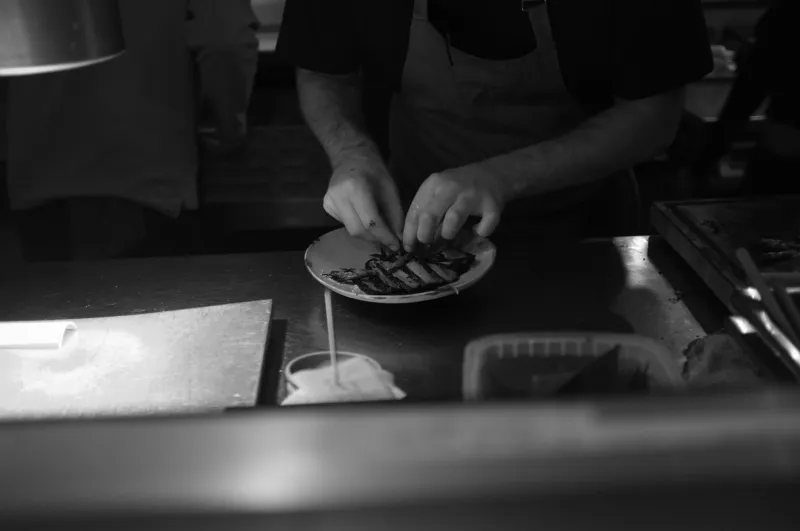
Several Tennessee distilleries have leaned hard into this, building out full visitor experiences with tours, cocktail bars, on-site food, and event spaces that host everything from wedding receptions to live music nights. Some have partnered with local chefs to offer food pairings. Others have created whiskey trails that link multiple producers across a region, giving visitors a reason to spend a whole weekend exploring.
The Cumberland Plateau, the Upper Cumberland, the Smoky Mountain foothills — these areas now have craft distilleries that function as genuine cultural anchors, drawing visitors who stay in local hotels, eat in local restaurants, and leave with a deeper connection to the place than any billboard could create.
The People Behind the Pour
What strikes you most, when you spend time in these spaces, is the sheer variety of people who ended up here.
There's the former Nashville tech worker who left a six-figure salary to revive a family moonshine tradition and turned it into an award-winning operation. There's the retired schoolteacher in West Tennessee who started distilling as a retirement project and now ships bottles to 15 states. There's the young woman in Chattanooga who studied fermentation science specifically to come home and build something in her own backyard.
They're all different, but they share something: a bone-deep conviction that Tennessee's land, culture, and history contain flavors worth preserving and celebrating. That conviction comes through in every bottle.
Worth the Detour
If you're planning any kind of Tennessee road trip — and honestly, when is a Tennessee road trip not a good idea — build some distillery stops into the itinerary. Not the ones on every tourist map. Look for the smaller operations, the ones where the parking lot holds maybe a dozen cars and the person at the bar has dirt under their fingernails from harvest week.
Those are the places where Tennessee's next chapter in spirits is being written, one carefully measured pour at a time. The big names will always have their place. But the craft producers? They're the ones making history taste like something new.