Clay, Thread, and Sawdust: Meet the Tennessee Makers Betting Everything on the Handmade Life
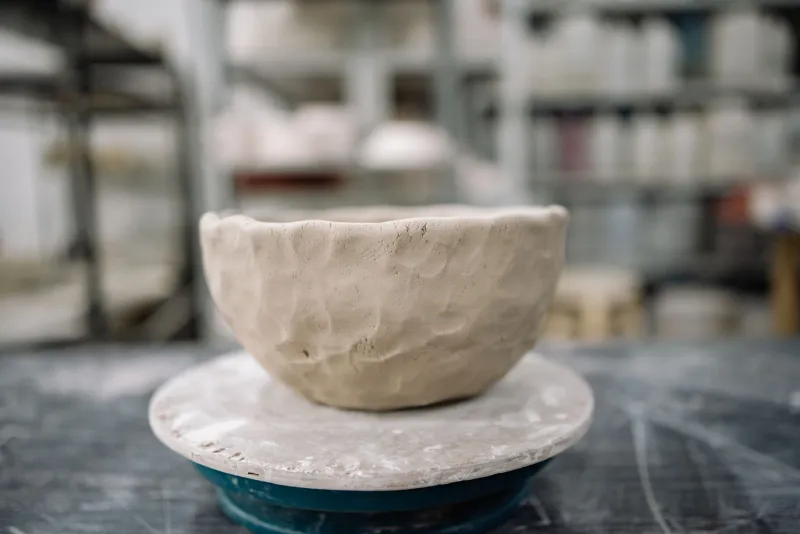
Somewhere between a pottery wheel spinning in a converted barn outside Smithville and a loom clicking steadily in a downtown Jonesborough studio, Tennessee is making something new out of something very, very old.
Call it a craft renaissance, a handmade boom, or just a whole lot of stubborn, talented people refusing to make their living any other way. Whatever name you give it, the surge in artisan craft businesses across the state is real, it's growing, and it's reshaping communities that have needed a new story to tell.
The Potters, Weavers, and Woodworkers Showing Up
Leah Calloway didn't plan to become a potter. She was working in marketing in Nashville, burning out slowly, when she took a beginner's wheel-throwing class on a whim. Three years later, she's running Sycamore Hollow Ceramics out of a studio she built on her family's property in Van Buren County, shipping hand-thrown mugs and bowls to customers in forty-two states.
"I tell people I make mugs and they smile politely, like that's cute," Calloway says, laughing. "Then I show them the waitlist and they stop smiling politely."
Her waitlist, for the record, runs about eight weeks. Her Instagram following has crossed 60,000. And her revenue last year — from a studio in a county most Tennesseans couldn't find on a map without help — cleared six figures.
Calloway's story is unusual in its specifics but not in its shape. Across Tennessee, makers are building serious businesses around traditional crafts, often in places that haven't had much economic good news in a while. Woodworkers in Jamestown. Textile artists in Cookeville. Blacksmiths in Coker Creek. Basket weavers in the Cherokee communities of the Ocoee region. The map of Tennessee's craft economy is filling in fast.
Why Now? Why Tennessee?
Ask a dozen makers why this is happening and you'll get a dozen different answers. But a few themes surface consistently.
One is the pandemic. The years of disruption pushed a lot of people to reconsider what they were doing and why. Remote work opened up geography. People who'd been stuck in cities suddenly had the option to move somewhere cheaper, somewhere quieter — somewhere with a barn they could turn into a studio.
Another is the cultural moment around handmade goods. The appetite for things made by actual human hands, with actual craft and intention, has never been stronger. The mass-produced, algorithmically-optimized sameness of so much retail has left a lot of consumers genuinely hungry for something different. A mug that someone threw on a wheel in Van Buren County carries a story. People want that story.
And then there's Tennessee itself. The state has deep roots in craft tradition — Appalachian weaving, Cherokee basketry, the woodworking heritage of communities like Gatlinburg, the pottery traditions of places like White County. For makers who want to connect with that lineage, Tennessee is rich ground.
"I'm not just making furniture," says Darnell Pruitt, a woodworker based outside Monterey in Putnam County. "I'm working in a tradition. My grandfather built furniture. His father built furniture. I'm doing something that has a hundred years of context behind it, and that matters to me."
Pruitt's custom hardwood pieces — mostly tables and chairs, built from locally sourced walnut, cherry, and white oak — sell for prices that would surprise anyone who assumes rural Tennessee makers are operating at the low end of the market. A dining table starts at $3,800. He's booked out nearly a year.
Social Media and the Small-Town Maker
The business model that makes this all work would have been nearly impossible twenty years ago. The ability to reach a national audience from a rural studio — to build a following, tell your story, and sell directly to customers without a gallery or a middleman — has changed everything.
Calloway posts process videos on Instagram and TikTok: clay being wedged, pieces being trimmed, the satisfying clink of finished mugs being stacked. The content is genuine and unpolished, which is precisely why it works. "People want to see the real thing," she says. "They want to see the studio, see the mess, see the mistakes. That's what makes them trust that it's actually handmade."
Pruitt takes a slightly different approach — longer-form videos on YouTube documenting full builds from raw lumber to finished piece. His channel has built a following of woodworking enthusiasts who may never buy a table but who engage with every video and send it to the people in their lives who might.
Neither of them has spent a dollar on traditional advertising. Both of them have more business than they can comfortably handle.
What It Means for the Towns
The ripple effects of this craft boom on Tennessee's smaller communities are real and worth paying attention to.
In Jonesborough — Tennessee's oldest town, already known for its storytelling festival — a cluster of craft studios and maker spaces has given the historic downtown new energy. Visitors who come for the stories stay for the pottery. The pottery brings them back.
In Smithville, home of the long-running Smithville Fiddlers' Jamboree, craft makers have started organizing their own open-studio events, drawing visitors into the community and giving them reasons to stay overnight, eat at local restaurants, and come back.
"Every time someone buys something from a local maker, they're not just buying an object," says one economic development coordinator in DeKalb County. "They're buying a reason to come back to this town. That's the kind of tourism that builds something lasting."
There's also something happening at the community level that goes beyond economics. Young people who grew up in rural Tennessee and left for college or cities are coming back — not because they had to, but because they found a way to build a life doing something they love, in a place they already love. That's not a small thing.
Finding the Makers
If you want to experience Tennessee's craft scene firsthand, you don't have to look hard. The Tennessee Craft organization maintains a statewide directory of makers and events. The Appalachian craft corridor running through East Tennessee — connecting communities from Gatlinburg to Johnson City — is a natural road trip itinerary. And increasingly, the best way to find the most interesting makers is simply to follow them on Instagram and ask where the studio is.
Most of them will tell you to come on by. That's kind of the whole point.